11/09/2026
If you live, rent, own, or run a business in Haringey, the easiest way to get caught out is to...
Waste Disposal Haringey provides a fast, reliable and fully licensed domestic waste collection service for homes across the borough. From busy terraced streets in Harringay and Tottenham to quiet residential roads in Muswell Hill, Highgate and Crouch End, we help households clear unwanted rubbish quickly, safely and responsibly.
Whether you need a one-off house clearance, regular household rubbish removal or urgent same day waste collection, our local team is ready to help. We handle the heavy lifting, load your items, and ensure everything is taken to authorised recycling and disposal facilities.
Our domestic waste collection service covers the whole of Haringey, including areas around Green Lanes, Turnpike Lane, Bounds Green, Wood Green, Hornsey and beyond. We work with flats, family homes, HMOs and larger properties, tailoring each collection to the amount and type of rubbish you need removed.
We can collect from front gardens, rear access ways, basements, lofts and outbuildings. If you live on a narrow residential street or a busy main road such as Tottenham High Road or Seven Sisters Road, our team will plan the best access and collection time to cause minimal disruption to you and your neighbours.
We remove most types of household waste as part of our domestic service. Typical items include:
General household clutter: old toys, books, ornaments, bric-a-brac, boxes, bags of rubbish and mixed household items accumulated over time.
Furniture and bulky items: sofas, armchairs, beds, mattresses, wardrobes, chests of drawers, dining tables, chairs, coffee tables and shelving units.
Appliances and electricals: fridges, freezers, washing machines, tumble dryers, dishwashers, cookers, microwaves, televisions, computers and small electrical items.
Kitchen and bathroom clear-outs: cupboards, worktops, sinks, bathroom suites, shower screens, tiles and fittings from small home improvement projects.
Garden and outdoor items: broken garden furniture, tools, play equipment, barbecues, plant pots, old fencing, sheds dismantled and other outdoor clutter.
Textiles and soft furnishings: rugs, carpets, underlay, curtains, duvets, cushions and fabric-based household items.
If you are unsure whether we can take a particular item, let us know what you have and we will advise on the best and safest way to remove it.
For households in Haringey who need rubbish cleared urgently, we offer a same day waste collection service subject to availability. This is ideal if you are:
Preparing a property for new tenants or a sale and need a quick turnaround.
Clearing out after building work or decorating in areas like Stroud Green, Alexandra Park or West Green.
Making space for new furniture or appliances and need old items removed the same day.
Dealing with an unexpected volume of rubbish that will not fit in your normal bins.
Where possible, we will arrange a collection slot on the same day you contact us. Our local teams operate throughout the day, helping residents from quiet cul-de-sacs near Priory Park to busier blocks around Wood Green High Road get their spaces cleared without delay.
Responsible waste management is central to how we operate in Haringey. Once your domestic rubbish is collected, it is transported to authorised facilities where it is carefully sorted for recycling and recovery wherever possible.
Mixed loads are separated into categories such as wood, metal, plastics, glass, textiles, cardboard and electrical items.
Recyclable materials are sent on to specialist processors who turn them into new products or raw materials.
Electricals are handled via approved WEEE streams to ensure components and hazardous parts are dealt with safely.
Only items that cannot be recycled or recovered are sent for energy-from-waste or final disposal, in line with current regulations and best practice.
By prioritising recycling and recovery, we reduce the volume of waste going to landfill and support a cleaner, more sustainable environment for local communities across Haringey.
Waste Disposal Haringey operates under a valid Environment Agency waste carrier licence. This is your assurance that your household rubbish is being managed legally and responsibly at every stage from collection to final disposal.
Using an unlicensed collector can put you at risk of fly-tipping and fines if your waste is dumped illegally. By choosing a licensed provider, you know that your domestic waste is being taken to approved facilities and handled in accordance with UK waste management regulations.
We are happy to provide our licence details on request and explain how we document and track the movement of your waste to ensure full compliance.
We recognise that many Haringey residents care deeply about their local environment, from the green spaces around Finsbury Park and Alexandra Palace to the quieter residential streets near Crouch End Broadway and Highgate Woods. Our approach to domestic waste collection reflects this.
We aim to minimise environmental impact by:
Maximising recycling and material recovery from every load.
Using efficient routing to reduce unnecessary vehicle mileage around the borough.
Ensuring hazardous or problematic waste streams are handled by the correct facilities.
Training staff to load and transport waste safely, keeping streets clean and tidy.
Our team treats your home with respect, clearing waste carefully and leaving the area swept and tidy wherever practical. From basement flats near Turnpike Lane station to family houses on tree-lined roads in Muswell Hill, we aim to provide a smooth, stress-free service from initial enquiry to final clearance.
Every household is different, so we tailor our services to what you actually need. We can arrange:
One-off clearances after a move, renovation or major declutter.
Regular domestic rubbish collections for properties generating more waste than standard council provision can handle.
Part-load collections if you only have a few bulky items, helping you avoid the cost of hiring a skip.
Timed collections for properties on busy roads such as Green Lanes or Tottenham High Road where access may be limited at certain times.
By working flexibly around your schedule and property type, we make domestic waste collection simple, efficient and compliant for households across Haringey.

GET A FREE QUOTE
Offering the best experts and the best quality services!
Waste Disposal Haringey provides waste disposal in Haringey for households, landlords and businesses that need practical clearance and collection work carried out with minimal disruption. The service covers everyday rubbish, bulky items and organised clearances, with an approach that is built around removing what has already been sorted for disposal and taking it away in one visit where possible. If you need a straightforward starting point, the services overview sets out the main options available across the site.
Our work is centred on loading, transport and disposal rather than leaving you to manage the heavy lifting. That can include domestic items, garden material, office contents, furniture and builders’ residue, depending on what needs clearing. For customers comparing service types and planning the right level of support, the waste clearance service gives a useful overview of general clearance work, while the rubbish collection page is more suited to mixed loads that need removing from a property or access point.
Most enquiries are easier to price and plan when the load is described clearly. A short list of the main items, the floor or access details and any awkward pieces helps us match the right vehicle and crew to the job. You can read more about the way requests are handled on the pricing and quotes page, and then send a plain-language enquiry if you already know the kind of waste you want removed.
Domestic clearances often involve more than one type of item, so a good service needs to deal with mixed waste in a tidy and orderly way. Our domestic waste collection service is intended for day-to-day household rubbish, bagged waste, awkward items and general clutter that has built up over time. It is useful where the job is larger than the normal bin capacity but does not call for a full property clearance.
House clearance is a different type of job because it usually involves entire rooms, storage areas or a full property rather than isolated items. The house clearance service is best suited to contents that need to be removed systematically, whether after a move, before a let or because a home needs to be emptied in stages. Where furniture is included, the furniture removal page covers larger household pieces that need safe handling and transport.
When arranging domestic disposal, it helps to separate items that can be left easily at ground level from those that may need careful carrying from upstairs rooms, lofts or tight hallways. That sort of detail does not have to be written in long form, but it does affect how the work is organised. Clear access notes, item counts and any known limitations are usually more useful than a long explanation. If you are ready to ask for a figure, keep it simple and request a quote based on the items that need removing.
Bulky waste needs different handling from loose rubbish because it is often heavy, awkward and more likely to need dismantling or two-person lifting. The furniture disposal page covers the removal of unwanted household and office furniture for customers who want pieces taken away rather than retained for resale or donation. Sofas, tables, wardrobes, chairs and similar items can usually be managed as part of a single collection when access is straightforward.
Where white goods are involved, the white goods and appliance disposal service is relevant to items such as fridges, freezers, washing machines and cookers. These items can require more care because they are weighty, contain components that should be handled properly and may need the right loading position in the vehicle. The key is not to overcomplicate the enquiry: one clear list of appliances is usually enough for the service to be assessed accurately.
If you are clearing out a room and the furniture is going alongside other waste, it can be sensible to treat the job as a mixed load rather than splitting it into separate requests. That makes it easier to understand what needs to go in one visit and what might need to be left behind. For bulky disposal, the main decision is often whether the collection is best described as furniture, appliances or a broader household clearance.
Outdoor and trade-related waste usually has its own shape, weight and disposal needs. The garden waste removal service is suitable for cuttings, branches, leaves, soil and other green material that has been gathered after pruning or landscaping. Because this type of waste can vary from light trimmings to heavier bags of mixed debris, it is worth describing whether the load is mainly organic or includes planters, timber or broken hard landscaping material.
For renovation or construction work, the builders waste disposal page covers rubble, packaging, timber, plasterboard, offcuts and other debris left after building or refurbishment tasks. This is typically more demanding than ordinary domestic rubbish because the volume, weight and mix of materials can change the loading method. If the job is linked to a larger project, the commercial waste removal page is also relevant where the waste comes from ongoing business activity rather than a one-off home clear-out.
One useful way to prepare these jobs is to group the waste by type rather than by room. For example, green material, timber, rubble and mixed packaging each tell a different story about the time and equipment needed. Mixed loads are common, but they are easier to assess when you highlight anything sharp, heavy or awkward in advance. That way the collection can be matched to the actual task instead of to a rough guess.
Workplaces tend to generate waste in batches, especially when a tenancy ends, desks are replaced or storage areas are being reorganised. The office clearance service is intended for items such as desks, chairs, shelving, filing materials and general office contents that need removing in a controlled way. The emphasis is on keeping the clear-out orderly so that useful space can be handed back or repurposed without leaving behind unnecessary clutter.
For companies dealing with recurring waste, the commercial route can be more appropriate than a one-off household collection. The work may involve packaged stock, broken equipment, redundant fixtures or general business rubbish that has to be removed without affecting daily operations more than necessary. In these situations, the most helpful information is the type of premises, the approximate quantity and whether access is simple or restricted. If you want to understand the service structure before booking, the about us page gives a broad company overview, while the waste carrier licence and compliance page explains the compliance side in more detail.
For larger jobs, it is often sensible to divide the waste into what must definitely go, what may stay and anything that needs careful handling. That makes the enquiry more precise and reduces the chance of confusion on the day. If you are planning a commercial clearance, request a quotation with a short description of the site and the main categories of waste.
Pricing for waste removal is usually shaped by a small set of practical factors: the amount to be removed, the type of waste, access to the property and how much loading is involved. The prices page is a useful starting point if you want to compare the service structure before you ask for a quote, while the pricing and quotes page explains the quotation process in a more direct way. A sensible quote request usually gives enough detail to understand the job without becoming a long inventory.
There are also compliance and handling considerations that matter to customers who want the job done properly. The insurance and safety page covers the approach to safe working, and the recycling and sustainability page sets out how recovered material is approached. For payment matters, the payment and security page is relevant if you want to understand how transactions are handled before confirming anything.
When comparing waste removal options, it helps to separate the practical service question from the administrative one. First decide what actually needs to go, then choose the page or service that matches that type of load. After that, the enquiry can be brief: list the items, mention the access and ask for a quotation. That is usually enough to move from uncertainty to a workable plan.
Haringey is a North London borough with a varied landscape that moves from busy town centres to quieter residential streets, parkland and historic landmarks. Its character is shaped by the meeting of different neighbourhoods, each with its own architectural tone and sense of place. Wood Green and Tottenham are closely associated with retail, transport and activity, while areas such as Crouch End, Muswell Hill and Highgate are known for more residential streets and a strong village-like feel in parts. The borough includes sections of the Parkland Walk, a well-known linear route that follows part of the former railway line between Finsbury Park and Alexandra Palace, giving pedestrians and cyclists an unusual green corridor through the built-up city. Alexandra Palace itself is one of the most recognisable landmarks in the area, with its hilltop position, open parkland and long association with public events, broadcasting history and views across London. The borough’s built environment is mixed too, ranging from Victorian terraces and interwar housing to post-war estates and modern developments, which gives many streets a layered appearance rather than a single architectural style. Green spaces are a defining feature as well, with parks and wooded slopes helping to soften the urban fabric and linking communities that have grown around older roads, station hubs and town centres. Haringey also sits within a wider cultural map of north London, with theatres, music venues, independent shops and local high streets all contributing to the daily rhythm of the place. The result is a borough that feels both metropolitan and local at the same time, with busy commercial centres, strong residential identities and a number of public spaces that continue to shape how people move through and experience the area.
Different properties create different waste patterns, so the most suitable service depends on the space being cleared and the kind of material involved. The loft clearance page is aimed at stored items, boxed belongings and forgotten clutter that has built up above the main living area. These spaces often contain a mix of light and heavy pieces, so access and carrying distance matter almost as much as the items themselves.
Landlords, agents and homeowners who need a room or property emptied for changeover work may find the clearance pages easier to compare when the load is separated into furniture, general rubbish and specialist items. The removal of furnishings may sit alongside domestic waste, while a property that has been lived in for many years may need a broader approach that combines several services. If you are unsure which category fits best, the waste disposal page is a sensible general entry point for the core service.
One practical step is to decide whether the work is a single-visit collection or a fuller emptying of the premises. That distinction often shapes the service more than the raw quantity alone. A brief message with the main room types, item types and access conditions is usually enough to guide a quotation request in the right direction.
Preparing for a collection does not need to be complicated, but a little structure helps the work run smoothly. The first useful step is to separate items that are staying from items that are going, especially where the waste is mixed with belongings or furniture. The second is to note whether the load is already bagged, stacked or left loose, because that changes how long the loading stage may take. A short note about parking or access restrictions is also useful where vehicles cannot stop close to the property.
Different kinds of disposal also suit different levels of detail in the enquiry. For example, a simple household collection may only need a rough item list, while a clearance involving appliances, office furniture or builders waste benefits from a clearer breakdown. The bulky rubbish booking guide and the access problems in flats guide offer practical reading if you want to think through the planning side before you enquire.
For a direct next step, request a quotation with the items, the location within the property and anything unusual about lifting or access. If you are comparing more than one option, use the service pages to narrow the job type first, then ask for the figure that matches the load you actually need removed.
Some customers prefer to look at supporting information before they choose a service or send an enquiry. The testimonials page gives a sense of customer feedback, while the terms and conditions page sets out the legal framework for using the site and services. Those pages are not a substitute for a clear service description, but they can help if you want to understand the wider structure around a booking.
If you are concerned about how material is handled after collection, the sustainability and compliance pages are the best place to start. Recovered items, lawful transport and responsible disposal are all part of the service picture, and customers often want that side explained before they book. You can also review the privacy policy and cookie policy if you are using the website and want to know how information is managed.
To move from browsing to action, keep your enquiry short and specific: what needs removing, where it is located and when you would like it collected. Request a quotation now and choose the service page that best matches your waste.
If you live, rent, own, or run a business in Haringey, the easiest way to get caught out is to...

If you have ever stood in the kitchen with a bag of mixed rubbish, a broken chair, and a...

If you've got an old sofa blocking the hallway, a broken wardrobe in the spare room, or a pile of...
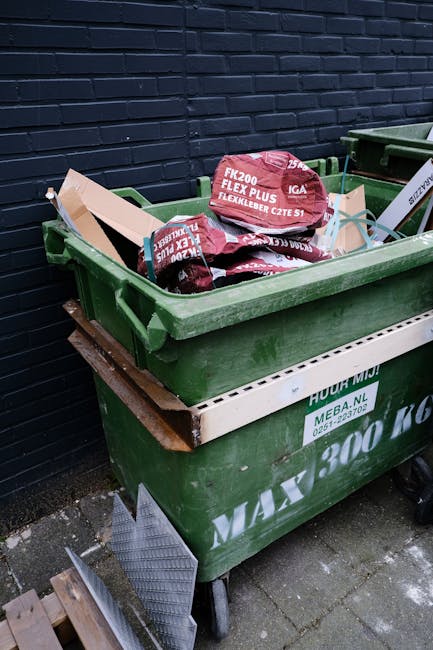
If you live in a flat in N4, rubbish day can be simple one week and strangely awkward the next.
When you book a same day rubbish removal, you usually want one thing: for the van to turn up,...

If you have ever compared rubbish removal quotes and thought, "Why does the price look fine until...

Planning an event at Alexandra Palace is exciting right up until the end of the night, when the...

If you live near Crouch End Park, rubbish has a habit of building up faster than you expect.
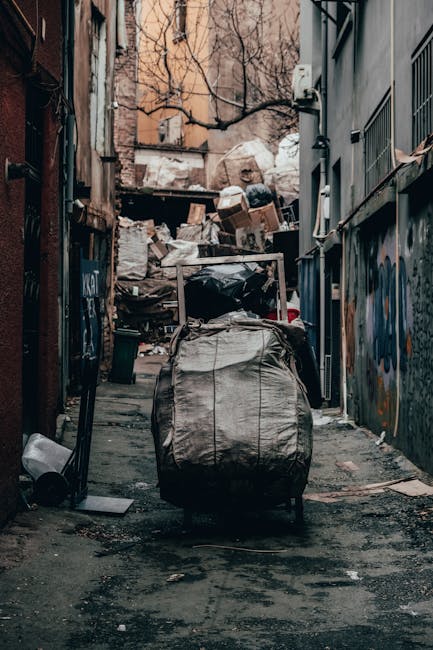
If you live or work in Wood Green, rubbish has a habit of piling up at the worst possible time.
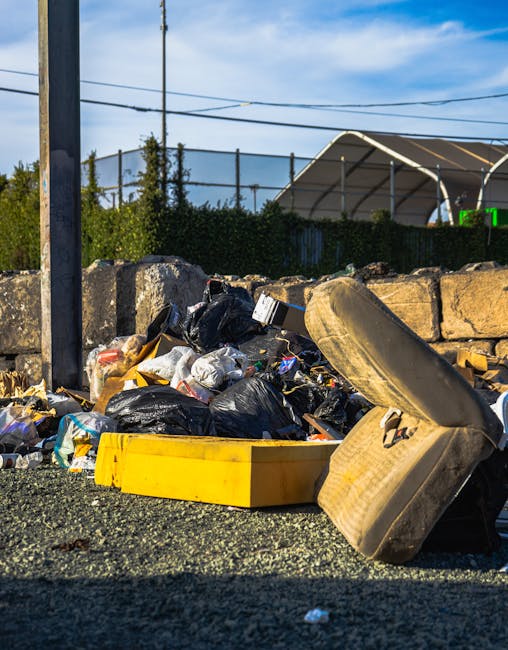
If you are dealing with a pile-up of boxes, old furniture, builders' rubble, or a stubborn...

Haringey is a vibrant borough in North London, teeming with a mix of cultures and brimming with...

Located in the northern part of London, Haringey is a bustling borough that often gets...

 (86)
(86)