Access problems in N4 rubbish collection for flats
Posted on 30/06/2026
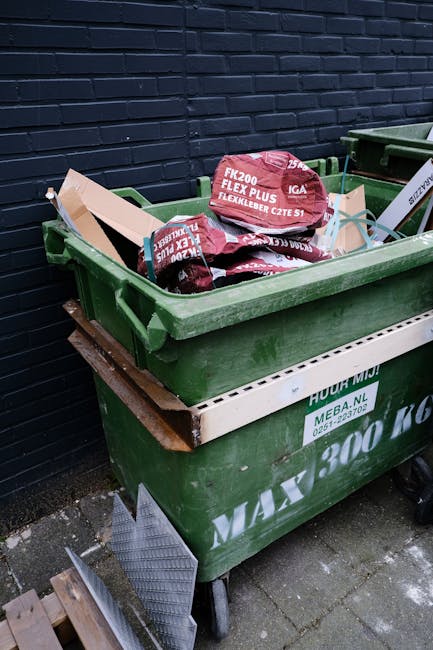
If you live in a flat in N4, rubbish day can be simple one week and strangely awkward the next. A locked gate, a narrow stairwell, a parked car in the wrong place, or a bin store that is just a bit too tight can turn a straightforward collection into a small headache. That is really what this guide is about: Access problems in N4 rubbish collection for flats, why they happen, what they affect, and how to handle them without making the whole process feel bigger than it needs to be.
In practice, access issues are one of the main reasons flat-based waste collections get delayed, missed, or charged differently. The good news? Most of them are manageable with a bit of planning, clear communication, and a realistic understanding of what crews need on the day. Below, you will find a practical, no-nonsense breakdown that covers the route from first enquiry to final collection, with a few local observations and some honest advice along the way.
Why Access problems in N4 rubbish collection for flats Matters
Access sounds like a small operational detail, but in the real world it can shape the whole collection. For flats, the difference between a smooth pickup and a missed one is often not the amount of waste but whether a crew can actually reach it safely and in time. A bin behind a coded door, items left on an upper floor, or a collection point with no turning space can all cause friction.
That matters for a few reasons. First, your waste can start building up quickly in a shared building. Second, blocked access can create tension with neighbours, building managers, and landlords. Third, repeated access issues can make collection more expensive or less predictable. Nobody wants a small pile of bags to become a communal argument by Thursday morning.
In N4, you also tend to see a mix of housing styles: purpose-built flats, conversions, mansion blocks, and newer developments. Each one brings its own quirks. Some have excellent bin stores but poor vehicle access. Others are easy to reach from the road but have long internal corridors, stair flights, or awkward lift arrangements. That mismatch is where problems begin.
Practical takeaway: Access issues are usually not about the waste itself. They are about the route to the waste, the safety of the crew, and whether collection can happen without disrupting the building.
If you are dealing with recurring issues, it can help to look at the wider context too. For example, if you are clearing a flat after a move, the needs may be closer to house clearance in Haringey than a simple bag collection. If the waste includes bulky items, then furniture removal in Haringey may be a better fit. Small detail, big difference.
How Access problems in N4 rubbish collection for flats Works
There is no single "access problem" because the issue can happen at several points in the collection process. Usually, it falls into one of four stages: entry, movement, loading, and exit. If any one of those stages fails, the collection becomes slower, riskier, or impossible on the day.
1. Entry to the building or waste point
This is the simplest stage, but it causes plenty of delays. Crews may need a key, fob, code, or someone to meet them. If that information is wrong or missing, the collection can stall before it begins. In a shared block, a resident might assume someone else has provided access. They often have not. It happens.
2. Movement through the building
Once inside, the crew still needs a clear route. Narrow staircases, corners with low ceilings, lift restrictions, and tight hallways can all affect what can be moved safely. A single mattress may be fine. A wardrobe or heavy appliance might not be. This is especially relevant where there are split-level flats, basement units, or old conversion properties with odd layouts.
3. Safe loading outside
Even if waste is collected from inside the building, it still has to be taken out to a vehicle. That means looking at parking, loading bay access, and whether the road can accommodate the vehicle without causing issues for neighbours or traffic. In a busy street, timing matters just as much as physical space.
4. Exit and handover
After loading, the crew may need to move back through the building to leave cleanly and safely. If a route has been blocked in the meantime by residents, deliveries, or a closed gate, the last stage becomes messy. Not dramatic, just annoying. But still a delay.
To avoid confusion, many residents now give a very plain summary before the job starts: where the waste is, how the crew enters, whether there is lift access, whether there are parking constraints, and who can be contacted on the day. That alone removes a surprising amount of stress.
Key Benefits and Practical Advantages
Solving access problems early gives you more than convenience. It can make the whole collection safer, quicker, and more affordable. That is especially useful for flats, where one small barrier can affect several households at once.
- Fewer failed collections: Clear access instructions reduce the chance of crews arriving and being unable to complete the job.
- Better safety: A well-planned route lowers the risk of damage to walls, doors, flooring, and communal areas.
- More accurate pricing: When access conditions are known in advance, quotes are usually more realistic.
- Less disruption to neighbours: Nobody enjoys a refuse corridor jammed with bags, boxes, and half-moved furniture.
- Faster turnaround: Crews can get in, collect, and leave without unnecessary waiting around.
- Improved recycling outcomes: When waste is sorted and staged properly, more items can be routed for reuse or recycling.
There is also a broader trust benefit. Building managers and residents tend to have more confidence in a collection that feels organised. If a provider is briefed properly and acts carefully, the whole process feels calmer. And let's face it, calm is underrated when you are trying to clear out a flat on a weekday morning.
For residents who want a service that fits a flat-based setting more naturally, it can help to compare broader options such as rubbish collection in Haringey and waste disposal in Haringey. If the load is mostly household waste, domestic waste collection in Haringey may also be the cleaner fit.
Who This Is For and When It Makes Sense
This topic matters to anyone dealing with flats in N4, but some people will feel it much more sharply than others.
- Residents in upper-floor flats: If waste needs carrying down stairs or through shared access points, planning matters a lot.
- Landlords and letting agents: End-of-tenancy clearances often involve awkward items, mixed waste, and strict timing.
- Building managers: You may be responsible for shared bin stores, access codes, and resident communication.
- People moving home: Moving day has a habit of exposing every access issue at once.
- Flat owners dealing with bulky items: Sofas, fridges, wardrobes, and old beds are where access becomes a real operational issue.
- Businesses in mixed-use buildings: Office waste, packaging, and equipment sometimes need to pass through residential access routes.
It also makes sense when collections have failed before, when neighbours have complained about blocked entrances, or when you know the building has a tricky layout. If your block has a shared side alley that is always half-used for storage, for instance, you already know the kind of problem we mean.
If you are planning a wider clear-out, related services such as loft clearance or office clearance in Haringey may be relevant too, especially where access to stored items is more complicated than expected.
Step-by-Step Guidance
Here is a straightforward way to manage access problems without turning the job into a long chain of calls and half-answers.
- Identify where the blockage happens. Is it the entrance, the stairs, the lift, the bin store, or the road outside?
- Measure the practical route. Not with a tape measure for every inch, but enough to know whether large items can pass safely.
- Check who controls access. That might be a concierge, housing manager, landlord, resident, or keyholder.
- Prepare the waste in advance. Move bags and items to a reachable point where possible. The less moving on the day, the better.
- Share useful details before collection. Include floor level, lift availability, parking notes, and any gate codes or time restrictions.
- Confirm timing. Shared buildings work better when someone knows when the crew is arriving and can open doors or answer questions.
- Keep communal areas clear. This is simple but often forgotten. One box left in the wrong corridor can trip up the entire job.
- Review what went wrong if access failed before. Most repeated problems have a pattern. Find the pattern.
A useful habit is to think like the person carrying the waste, not just the person booking the slot. Could they turn with a bulky item at the first landing? Would a parked car block the loading path? Is there enough room to pause without holding the door open on the street? Those little questions save time.
If collections are often delayed by short notice changes, it may be worth reading tips on avoiding same-day rubbish removal delays. For buildings in busier parts of the borough, the practical lessons carry across surprisingly well.
Expert Tips for Better Results
After dealing with plenty of flat-based waste clearances, a few patterns stand out.
Be specific, not just helpful
"Access is a bit tricky" is too vague to plan around. Better to say: "Third-floor flat, no lift, narrow stairwell, waste to be collected from kitchen and hallway, parking available only after 11am." That kind of note changes everything.
Pre-stage the waste where you can
If it is safe and allowed by the building, move items as close as possible to the exit before collection day. That may mean the hallway, bin store, or a designated communal point. The less manual moving needed in the final 15 minutes, the smoother it goes.
Separate bulky items from loose waste
Bulky items often need different handling, different vehicle space, and more lifting care. Do not bury them under bags. That is the sort of thing that makes a simple job feel like a puzzle no one asked for.
Think about neighbours and noise
Shared buildings are sensitive to noise, door propping, and hallway clutter. A quick, tidy movement plan is usually better than trying to do everything all at once with a lot of back-and-forth.
Plan for the unexpected
Lift out of service? Code changed? Resident forgot to leave a key? It happens. A good back-up plan matters: another contact, a spare access note, or a slightly wider time window.
For the flat itself, different waste types may need different handling. Broken wardrobes, old appliances, and mixed household rubbish are not the same thing. If you are dealing with white goods, a specialist route like white goods and appliance disposal in Haringey can be more sensible than forcing everything into one generic pickup.

Common Mistakes to Avoid
The same few mistakes crop up again and again. None are shocking. All are avoidable.
- Assuming access will "just be fine": That is how missed collections happen.
- Leaving key details until the last minute: By then, it is too late to plan properly.
- Forgetting parking restrictions: A vehicle may be able to get near the building only at certain times.
- Blocking communal areas with staged waste: This can create safety and fire risks.
- Mixing collection types: Bulky items, garden waste, and regular rubbish may need separate handling.
- Not telling the building manager: In flats, this is often where the plan falls apart.
- Choosing the wrong service level: A basic curbside pickup is not the same as an inside collection in a fifth-floor flat.
One of the more awkward mistakes is not checking what the crew can actually carry through the building. An old sofa may look manageable until it reaches a narrow stairwell and suddenly it is wedged like a cork. Not ideal. Not even close.
If hidden charges are a worry as well as access, it is worth reading guidance on hidden fees in Haringey rubbish removal. Access issues and pricing often go hand in hand, especially in flats.
Tools, Resources and Recommendations
You do not need fancy equipment to manage access well, but a few practical tools help a lot.
- Building access notes: Keep a simple written record of door codes, contact names, lift restrictions, and collection points.
- Phone photos: A couple of photos of the access route or bin area can be more useful than a long description.
- Checklist for the day: Useful for confirming keys, parking arrangements, and waste placement.
- Labelled waste bags or boxes: Especially helpful where mixed residents use the same storage area.
- Building communication board or message group: Handy in blocks where residents need advance notice.
If you are comparing providers, practical trust signals matter too. You may want to look at pages covering insurance and safety, waste carrier licence and compliance, and recycling and sustainability. Those pages are useful because access planning and responsible disposal are tied together in real work, not just in theory.
For broader context on how a provider approaches different jobs, a full services overview is often helpful. If you are comparing costs, then the dedicated pricing and quotes information can give you a better sense of what affects the final figure.
Law, Compliance, Standards, or Best Practice
When waste is collected from flats, compliance is not just a box-ticking exercise. It shapes safety, responsibility, and how waste is handled after it leaves the building. While the exact obligations can vary depending on the building, the waste type, and who is organising the collection, a few best-practice principles are steady across the board.
- Safe access first: Crews should not be expected to take unsafe routes or force oversized items through tight spaces.
- Clear responsibility: In flats, it should be obvious who is arranging access, who is opening gates, and who is approving use of shared areas.
- Reasonable segregation: Recycling, general waste, and bulky items should be separated where practical.
- Proper carrier arrangements: Waste should be handled by a legitimate carrier with appropriate compliance in place.
- Respect for communal spaces: Hallways, stairwells, and exits should remain clear enough for safe movement.
In plain English, the standard is simple: no one should be asked to guess the route, the responsibility, or the risk. If a provider is well organised, they will ask useful questions up front rather than trying to solve them at the kerbside.
If you are curious about the business side and the company's wider responsibilities, pages such as about us, terms and conditions, privacy policy, and cookie policy can also be useful. They are not the exciting parts, granted, but they do build confidence.
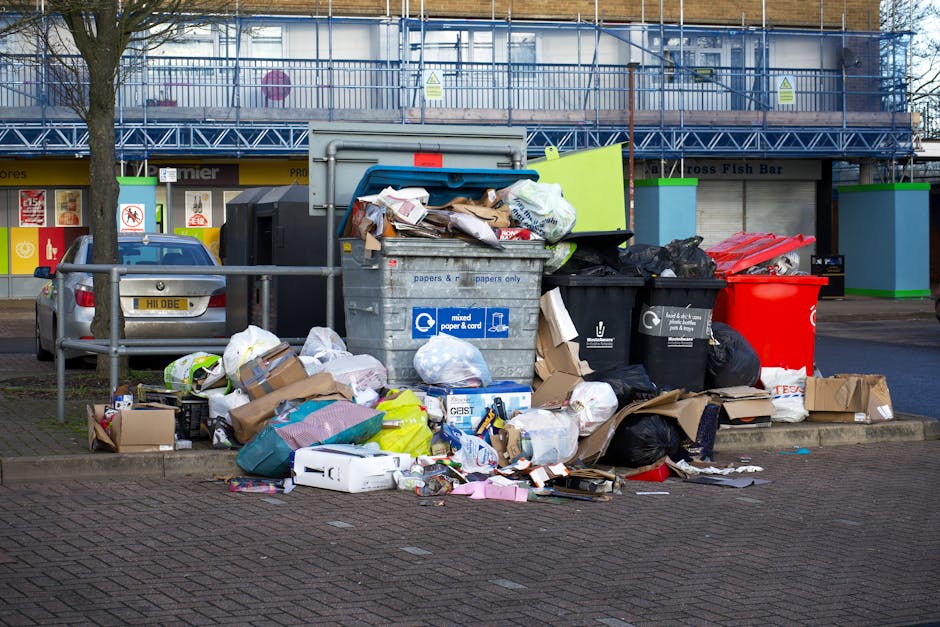
Options, Methods, or Comparison Table
Not every flat or access issue needs the same solution. Here is a simple comparison that helps separate the common options.
| Method | Best for | Strengths | Limitations |
|---|---|---|---|
| Kerbside or external pickup | Ground-floor access or easy roadside collection | Simple and often quick | Depends heavily on parking and timing |
| Managed bin-store collection | Blocks with organised shared waste areas | Good for routine waste and resident simplicity | Relies on clear keys, codes, and bin-store access |
| Inside collection from flat | Bulky items, end-of-tenancy clearances, hard-to-move waste | Convenient for residents | Needs safe internal routes and more planning |
| Specialist bulky item removal | Sofas, mattresses, white goods, awkward furniture | Better handling and more suitable vehicle use | May require more detail in advance |
| Full property clearance | Moves, probate, or major decluttering | Handles mixed waste and larger volumes | Requires the most coordination |
The right choice usually depends on how much waste there is, where it sits inside the building, and how much help you want on the day. A small flat with bags near the entrance may only need a basic collection. A top-floor flat with a sofa, old drawers, and a broken fridge is a different story entirely.
For very mixed or substantial loads, options like waste clearance in Haringey or furniture disposal in Haringey may line up better with the access reality than a standard pickup.
Case Study or Real-World Example
Here is a realistic example from a typical N4 flat situation. A resident in a purpose-built block needed to clear out a mix of bags, a small table, and a mattress before a tenancy handover. The first attempt at booking looked straightforward enough. But the details were thin: "flat collection, please."
On the day, the building had a coded entrance, the lift was being serviced, and the mattress could not turn cleanly on the first landing. Nothing was broken, nothing dramatic, but the job slowed right down because the access route had not been described properly. The resident ended up having to contact the concierge, wait for lift updates, and move items in stages.
The second time, the resident did it differently. They sent the floor level, confirmed the side entrance code, warned that the lift was unreliable, and moved the bags to a point near the exit the night before. They also told the building manager. The difference was immediate. Less waiting. Less pressure. Less of that awkward "who has the key?" dance in the hallway.
That is the real lesson here. Access problems are often not solved by more effort on the day. They are solved by better information before the day. A bit boring, maybe. Very effective, though.
Practical Checklist
Use this checklist before arranging rubbish collection for a flat in N4:
- Confirm the exact flat number and building entrance
- Check whether the collection is from inside, a bin store, or the kerbside
- Note floor level and lift availability
- Identify any stairs, narrow corridors, or tight turns
- Check gate codes, intercoms, key arrangements, and concierge hours
- Review parking restrictions and loading access
- Separate bulky items from general rubbish
- Keep communal hallways and exits clear
- Tell the building manager or concierge in advance
- Share photos if the access route is unusually awkward
- Agree who will be present on the day, if anyone
- Check whether the waste type needs specialist handling
- Read the service terms before booking
Quick summary: if you can explain the route from the flat to the vehicle in one clean paragraph, you are probably in good shape. If the route description feels muddled, the collection day probably will too.
And if you are organising the job now, not later, it may help to review the service approach, compare your options, and then move forward with confidence. That is often all it takes.
Get a free quote today and see how much you can save.
Conclusion
Access problems in N4 rubbish collection for flats are rarely about one huge failure. More often, they are made up of small things: a missing code, a tight staircase, a parked car, a lift that is out of order, or a bin store no one thought to describe properly. Once you start looking at those practical details, the issue becomes much easier to manage.
The most reliable approach is also the simplest: be specific, plan early, keep shared spaces clear, and choose the right type of collection for the building you actually live in, not the ideal version of it. That approach saves time, reduces stress, and avoids a lot of back-and-forth.
Truth be told, flat collections can be a bit fiddly. But they do not need to be chaotic. With the right access information and a realistic plan, they become just another job done well. And that is a good feeling, especially when the corridor is finally clear and the whole place breathes a bit easier.


 Tipper Van - Rubbish Removal and Waste Disposal Prices in Haringey, N4
 Luton Van - Rubbish Removal and Waste Disposal Prices in Haringey, N4