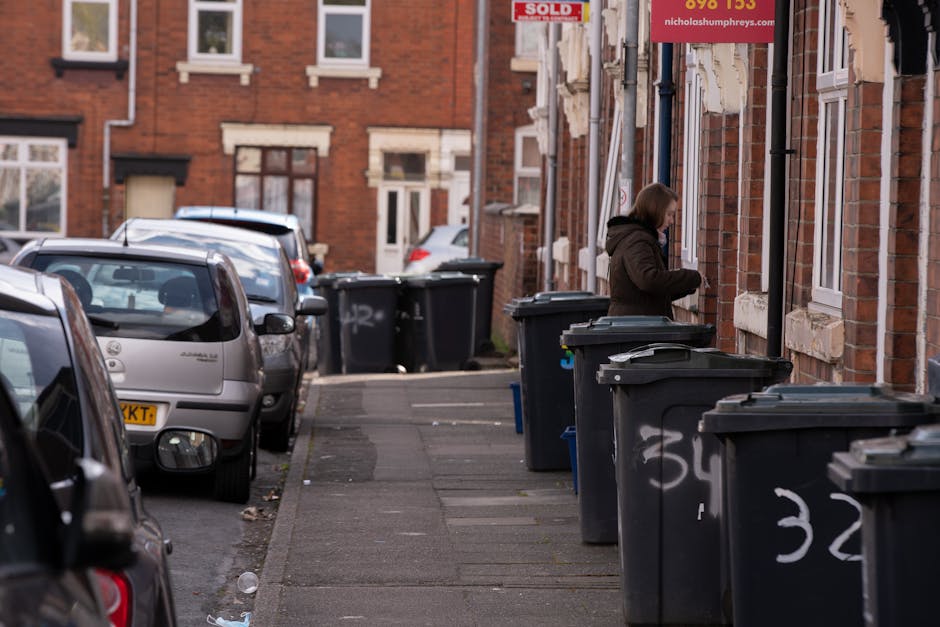
Tottenham High Road N17 rubbish clearance tips
Posted on 09/05/2026
Tottenham High Road N17 rubbish clearance tips: a practical local guide
If you are dealing with a pile-up of boxes, old furniture, builders' rubble, or a stubborn mattress that has been leaning in the hall for far too long, you are probably looking for straightforward Tottenham High Road N17 rubbish clearance tips that actually help. Fair enough. High Road life is busy, spaces can be tight, parking can be awkward, and rubbish tends to multiply the minute you stop paying attention. Whether you are clearing a flat above a shop, tidying a rental, or making room after a renovation, the right approach saves time, stress, and usually money too.
This guide breaks the process down in plain English. You will find practical steps, local considerations, common mistakes, and a simple way to decide whether to handle the job yourself or book a professional clearance service. We will also touch on compliance, recycling, and what sensible waste handling looks like in a busy London setting. No waffle. Just useful guidance you can act on today.

Why Tottenham High Road N17 rubbish clearance tips Matters
Tottenham High Road is one of those places where rubbish becomes visible quickly. Flats are compact, rear access can be limited, and shared entrances mean clutter gets noticed fast. If waste starts to build up, it can affect everything from hygiene to neighbour relations. In a busy stretch like N17, the knock-on effect is real: one missed collection or one broken sofa left near a doorway can make a whole property feel neglected.
These local rubbish clearance tips matter for a simple reason: the quickest route is not always the best one. A smart clearance plan helps you sort items properly, avoid damage during removal, and reduce the chance of fly-tipping or non-compliant disposal. That last bit matters more than people think. Let's face it, if a clearance looks cheap but leaves you with a problem later, it was never really cheap.
There is also a presentation angle. If you are selling, letting, renovating, or preparing a property for inspection, a clean, cleared space makes a far stronger impression. We cover that kind of property-readiness thinking in our guide to selling your home in Haringey, which sits nicely alongside a proper clear-out.
And there is an environmental angle too. Reuse and recycling are usually better than simply loading everything into a van and hoping for the best. A considered approach supports the broader aims covered in our recycling and sustainability page.
How Tottenham High Road N17 rubbish clearance tips Works
In practical terms, rubbish clearance is a process of identify, sort, remove, and dispose responsibly. The details change depending on the type of waste, access to the property, and how much there is, but the logic stays the same.
For a typical High Road flat or shop unit, the process usually looks like this:
- Assess the waste - decide what is going, what can be reused, and what needs special handling.
- Separate by type - general rubbish, furniture, appliance waste, garden waste, builders' debris, and confidential or sensitive items should not all be treated the same.
- Check access - stairs, lift access, shared hallways, loading points, and parking can all affect the job.
- Choose the right removal method - DIY, man-and-van, skip hire, or full-service clearance.
- Load carefully - protect walls, floors, and communal spaces, especially in older buildings.
- Dispose correctly - make sure the waste goes to an appropriate, compliant destination.
That sounds tidy on paper, but in real life there are usually a few awkward bits. A wardrobe that looked manageable suddenly is not. A fridge is heavier than you remember. The van spaces nearby are gone. All normal. Good planning is what prevents those little annoyances from turning into a half-day headache.
If your job is more than a small domestic tidy-up, it often helps to review the broader service options first through the services overview so you can match the clearance method to the actual task.
Key Benefits and Practical Advantages
A well-planned clearance does more than empty a room. It gives you control over time, cost, and the final result.
- Faster turnaround - you can get a space ready for use, sale, or let without delay.
- Less disruption - fewer trips, fewer mistakes, fewer "where did this go?" moments.
- Better recycling outcomes - separating useful materials early makes reuse or recycling much easier.
- Safer handling - bulky or heavy items are less likely to cause injury or property damage when moved properly.
- Cleaner presentation - essential if the property is being photographed, renovated, or inspected.
- Lower risk of fly-tipping issues - responsible disposal matters, especially if you are hiring help.
There is also a quieter benefit: peace of mind. A cleared hallway or spare room changes the feel of a home in a way people notice instantly. You open the door and the air feels lighter, the place breathes a bit. Small thing, but not really small.
For landlords, local businesses, and residents who need something more structured, a dedicated rubbish collection service in Haringey can simplify the whole job without turning it into a weekend project.
Who This Is For and When It Makes Sense
These tips are useful for more people than you might expect. The obvious cases are households and tenants, but the same principles apply to a wider mix of situations.
- Homeowners clearing a loft, garage, garden, or spare room.
- Renters who need to return a property in clean condition before moving out.
- Landlords and letting agents dealing with end-of-tenancy waste.
- Shop owners and office managers removing packaging, old fixtures, or obsolete stock.
- Builders and renovators handling rubble, timber offcuts, and mixed site waste.
- Families clearing inherited belongings or downsizing.
It makes sense to act early if rubbish is starting to restrict access, create smells, attract pests, or block exits. It also makes sense if you are preparing to list a property or move furniture in and out. Sometimes the job looks small until you start lifting things. Then, well, it suddenly isn't.
If you are dealing with furniture specifically, you may find the dedicated furniture removal in Haringey page useful, especially for bulky pieces that are awkward in narrow stairwells.
Step-by-Step Guidance
Here is a clear approach that works well on Tottenham High Road and in similar N17 properties. It keeps the process controlled rather than chaotic.
1. Walk the space first
Do a slow room-by-room check. Look at cupboards, under beds, loft corners, back rooms, and storage nooks. The forgotten bits are often where the biggest surprises live. An old monitor under a blanket. Broken chairs. Half-finished DIY materials. You know the type.
2. Group items by category
Separate general waste, furniture, appliances, garden waste, and builders' debris. This is important because each type may need different handling. A mixed pile is harder to load, harder to recycle, and often harder to price accurately too.
3. Decide what stays, goes, or gets donated
Some items are obvious. Others need a proper think. If something is usable but not needed, reuse may be the best answer. If it is damaged, stained, unsafe, or beyond repair, put it on the removal list. A quick rule helps: if you would not want to carry it up those stairs again, maybe it is time to let it go.
4. Measure awkward items
Measure wardrobes, sofas, appliances, and large boards if access is tight. Tottenham High Road properties often include narrow entrances, shared hallways, or compact stairs, and a few centimetres can be the difference between a smooth job and a very annoying one.
5. Plan access and parking
Think about where a vehicle can stop, how far waste must be carried, and whether there are any time restrictions. Even a great clearance plan can get slowed down by poor loading access. In central London, logistics matter. A lot.
6. Use the right disposal route
Choose the disposal method that fits the waste type and volume. A small bagged clear-out may suit domestic collection, while bulky or mixed waste may need a more complete clearance solution. If you are not sure, ask before loading everything into one pile and hoping for the best.
7. Final check before the waste leaves
Before anything goes, do a last sweep for documents, keys, chargers, medicines, or valuables. You would be surprised how often a passport-sized panic happens at the last minute. It is usually a ten-second check that saves an hour of worry.
Expert Tips for Better Results
Good clearance work is mostly about avoiding friction. A few practical habits make a big difference.
- Start with the heaviest item first so the rest of the job feels easier.
- Clear the route before lifting to reduce collisions and scratches.
- Flatten boxes and bag loose materials to save space and time.
- Keep hazardous or special items separate rather than burying them in a mixed pile.
- Use gloves and proper footwear even for "quick" jobs.
- Take photos before the clearance if you need a record for a landlord, contractor, or insurance file.
- Ask for waste paperwork where needed so you have a clearer record of what was removed and how.
One local-minded tip: if you are clearing in daylight, do it earlier rather than later. By late afternoon the High Road can feel busier, parking gets tighter, and everyone becomes a bit more impatient. That is just London, really.
If the job involves contaminated or mixed commercial waste, review the relevant commercial waste removal options rather than treating it as ordinary household rubbish. The difference matters.

Common Mistakes to Avoid
Most clearance problems come from rushing, not from the waste itself. These are the mistakes that cause unnecessary stress.
- Mixing all waste together - this makes sorting, recycling, and disposal harder.
- Ignoring access issues - narrow staircases and shared hallways can turn into bottlenecks fast.
- Underestimating weight - old furniture, appliances, and soaked materials are heavier than they look.
- Leaving the job until the last minute - especially risky before check-out, sale completion, or contractor start dates.
- Not checking what needs special handling - some items should not simply be mixed into ordinary waste.
- Choosing a service without asking about compliance - cheap can become expensive if waste is handled badly.
A sneaky one is overfilling bags. It seems efficient until a bag tears on the stairs and suddenly you are sweeping up bits of plaster and old packaging. Not fun. Not elegant either.
If you are dealing with a full property empty, including attic or storage areas, the house clearance in Haringey service can be a better fit than piecemeal removal.
Tools, Resources and Recommendations
You do not need specialist equipment for every job, but a few simple tools make clearance safer and tidier.
- Heavy-duty bags for loose waste and small breakables.
- Gloves for handling rough, dusty, or sharp materials.
- Furniture sliders or a dolly for bulky items on hard floors.
- Tape, marker pens, and labels for marking keep, donate, and remove piles.
- Measuring tape to confirm whether items can exit safely.
- Protective blankets or cardboard for hallways and door frames.
For most people, the best resource is simply a clear plan and a company page that explains exactly what is included. It is worth checking service pages before booking so expectations are aligned. Our waste clearance in Haringey page is a useful starting point if you want the broad picture first.
If you want a more specific route for bulky furniture or white goods, these pages help narrow the decision: furniture disposal and appliance disposal. That kind of matching saves a lot of back-and-forth.
Law, Compliance, Standards, or Best Practice
Rubbish clearance in the UK is not just a matter of lifting and loading. Waste must be handled responsibly, and if you are using a third party it is sensible to make sure they operate properly. You do not need to become a compliance expert, but you should know the basics.
Best practice usually means:
- checking that the carrier is legitimate and appropriately registered for waste transport
- asking how waste is sorted and where it is likely to go
- separating hazardous, electrical, or specialist waste when needed
- keeping a record of the job if you are a landlord, business owner, or managing agent
- avoiding informal arrangements that have no clear disposal chain
Compliance matters because waste does not stop being your problem just because it has left the building. If it is dumped illegally by the wrong operator, that can create trouble for everyone involved. For a fuller overview of the standards behind responsible collection, see the waste carrier licence and compliance page.
Safety is another part of best practice. Heavy lifting, glass, screws, broken furniture, and tight stairs are a common mix in N17 properties. Our insurance and safety page explains the sort of safeguards you should expect from a professional team. And if you care about smooth online booking and card handling, the payment and security page is worth a quick look too.
Options, Methods, or Comparison Table
Different clearance methods suit different jobs. The right choice depends on volume, access, urgency, and how much sorting you want to do yourself.
| Method | Best for | Advantages | Limitations |
|---|---|---|---|
| DIY trips to a disposal site | Very small loads and flexible schedules | Can be budget-friendly if you already have transport | Time-consuming, physically demanding, not ideal for bulky items |
| Skip hire | Renovations, ongoing projects, larger mixed waste | Good for gradual filling and repeated use | Needs space, permits may be relevant, loading can be awkward |
| Man-and-van style collection | Bulky furniture, fast clear-outs, moderate volumes | Quick, flexible, usually less hassle for residents | May not suit very large or specialist jobs |
| Full-service rubbish clearance | Property clearances, end-of-tenancy jobs, mixed waste | Fastest and most convenient, especially in tight access areas | Can cost more than DIY, though often better value overall |
For many Tottenham High Road properties, full-service clearance is the least stressful option simply because access is the tricky bit. When you are dealing with stairs, shared spaces, or same-day deadlines, convenience is not a luxury. It is the point.
Case Study or Real-World Example
Here is a realistic example. A small flat off Tottenham High Road needs clearing after a tenant moves out. There is a broken sofa, two wardrobes, a mattress, several bagged household items, a microwave, and assorted packaging from recent flat-pack purchases. The hallway is narrow, the building has shared access, and there is no room to leave waste outside.
The efficient approach is straightforward:
- separate the appliance from the furniture
- check the wardrobes can fit through the stairwell without damaging the walls
- bag the loose items and flatten cardboard early
- protect shared flooring and door frames
- schedule the clearance at a quieter time of day if possible
In this kind of situation, trying to move everything in one go usually causes the most trouble. A step-by-step approach gets the flat cleared faster, and the property looks presentable again without the usual after-mess. Honestly, that's often what people want most: not drama, just done.
If the property is part of a wider move or pre-sale clean-up, there is a useful crossover with our local property guides, including considering Haringey insights from residents and the broader Haringey real estate guide. Both can help frame clearance as part of a bigger property decision, not just a one-off chore.
Practical Checklist
Use this checklist before you book or begin a clearance job on Tottenham High Road.
- Have I identified everything that needs removing?
- Have I separated reusable, recyclable, and general waste items?
- Do I know whether any items need special handling?
- Is access clear, including stairs, hallways, and parking considerations?
- Have I measured bulky items where space is tight?
- Have I checked whether the job is domestic, commercial, or mixed-use?
- Do I need paperwork, photos, or a disposal record?
- Have I set aside valuables, documents, and personal items?
- Is the timing right to avoid unnecessary disruption?
- Have I chosen a service that looks safe, compliant, and practical for the job?
Quick summary: if the job is bulky, time-sensitive, or awkward to access, a professional clearance tends to be the cleanest solution. If it is light, tidy, and easy to transport, a smaller collection option may be enough. Either way, the win comes from planning before lifting.
Conclusion
Good Tottenham High Road N17 rubbish clearance tips are really about common sense with a local twist: sort first, measure access, protect shared spaces, and choose the disposal route that fits the actual job. Once you do that, everything becomes easier. The space clears faster, the risk drops, and you are not left dealing with surprises on the stairs at the worst possible moment.
To be fair, a tidy property changes how a place feels. It can take a flat from cramped to calm, or a shop back room from chaotic to workable. That is a real difference, not just a cosmetic one.
If you are weighing up your options, start by looking at the service that best matches your waste type and the level of help you need, then take it from there. Simple, sensible, done properly.
Get a free quote today and see how much you can save.